Dedicated to providing custom ers with better
quality products and services!






Shinite's press brake tools are precision-engineered to elevate metal fabrication performance, delivering unmatched accuracy, extreme durability, and consistent efficiency for every bending task. Our Press Brake Punches ensure micron-level precision and long service life, perfect for both intricate detailed designs and straightforward high-volume bends. Complementing them, our Press Brake Dies are forged from premium wear-resistant materials, producing flawless bend angles and smooth surface finishes across a full spectrum of sheet metal bending applications.
Beyond standard punches and dies, Shinite provides a complete suite of specialized bending tools: hemming tools for clean safe edges, offset tools for precision Z-bends, radius tools for smooth curved bends, and fully custom tooling solutions tailored to your unique project requirements. With uncompromising material quality, universal versatility, and factory-direct expert support, Shinite press brake tools empower manufacturers to achieve superior part quality, minimize scrap, and optimize entire production workflows.
Punch
Die
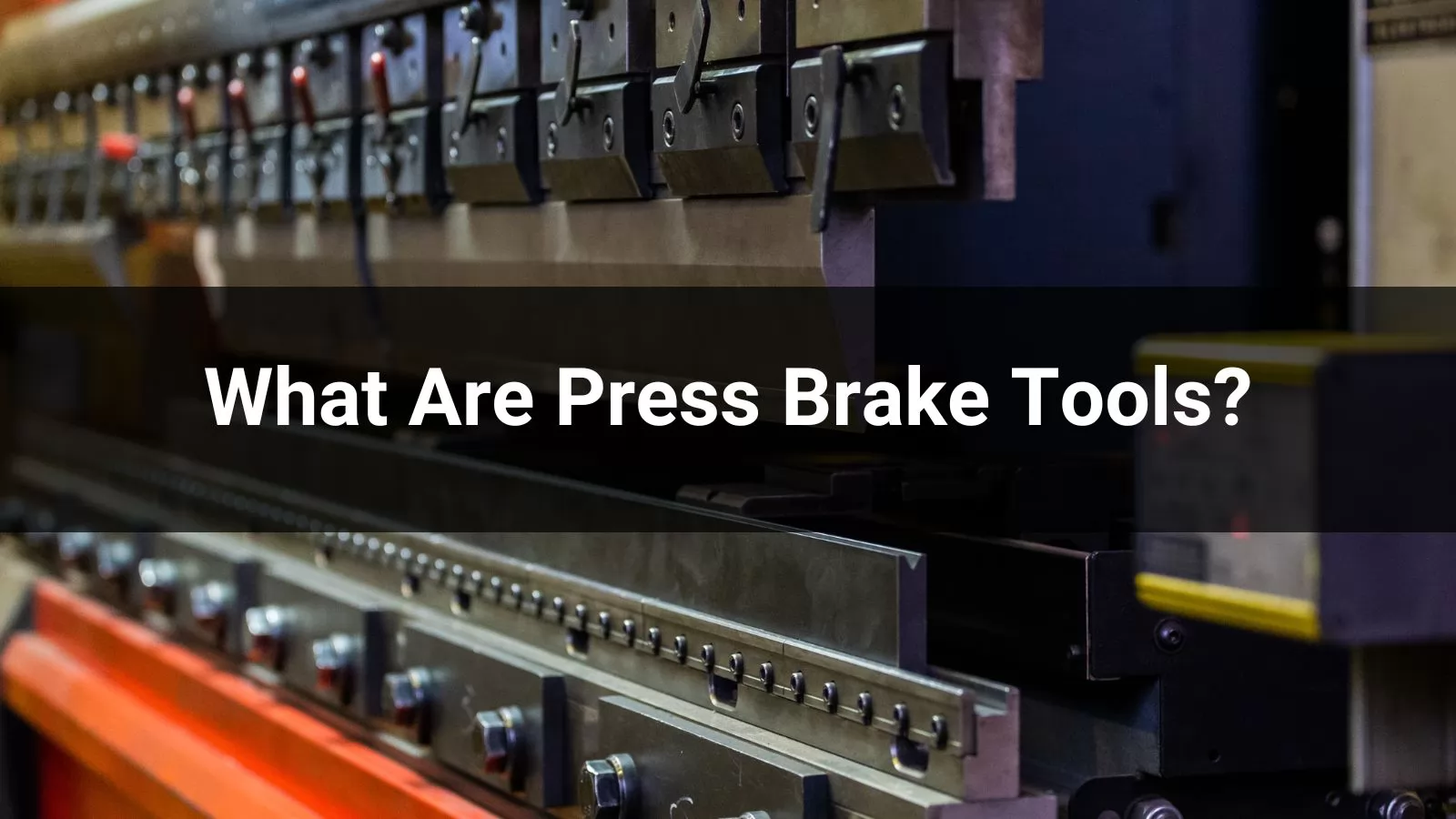
Press brake tools are core components for accurate sheet metal bending, each engineered for specific bending tasks to guarantee precision and efficiency. Standard tools are the universal workhorses including basic punches and dies ideal for general-purpose bending, compatible with most materials and common bend requirements.
For complex box-formed parts and deep-profile bends, gooseneck punches feature a curved neck design that eliminates workpiece collision, enabling deep-cavity bending without flange interference. Learn more about their specialized use in gooseneck press brake punch in metal fabrication and what is a gooseneck press brake punch.
Offset tools are purpose-built for creating clean Z-shaped bends, delivering precise offset geometries essential for assembly-fit components and layered part designs.
Hemming tools produce flat folded edges that improve part strength, eliminate sharp edges for safety, and enhance cosmetic finish—widely used in automotive parts, appliance housings, and decorative metalwork.
For smooth curved profiles instead of sharp angles, radius tools create gentle rounded bends that reduce material fatigue and improve aesthetic quality, ideal for enclosures, trim parts, and decorative components.
Finally, custom tools are fully engineered to your unique specifications for specialized industry applications, ensuring your press brake operates at full optimization for one-of-a-kind bending jobs.
Automotive Industry
Aerospace Sector
Construction
Metal Fabrication
Selecting the correct press brake tools directly impacts bend quality, production speed, tool lifespan, and operational safety. Below are the critical decision factors:
Material Compatibility is non-negotiable: different metals and thicknesses require matched tooling. Soft materials like aluminum or pre-coated sheet need non-marring tools, while high-tensile steel and stainless steel demand high-hardness tooling. Always match tool material to workpiece properties to prevent cracking, marking, or premature tool wear. For detailed V-die matching guidance, see selecting the right V-die for different material thicknesses.
Bending Angle and Radius define tool geometry: acute angles need sharp-tip acute punches, large radii require radius punches, and 90° bends use standard V-tools. Incorrect radius selection causes material fracture or inconsistent angles. Reference press brake punch and dies size chart specification guide for precise dimension matching.
Durability drives long-term efficiency: tools forged from hardened alloy steel (Cr12MoV, D2, 42CrMo) deliver far longer service life under high-volume production, reducing replacement cost and downtime.
Machine Compatibility ensures safe, accurate performance: tools must match your press brake tonnage, clamping system (WILA, Promecam, Amada), tool height, and mounting interface. Mismatched tooling causes machine damage and inaccurate bends. For Amada-specific guidance, review how to choose Amada press brake dies.
Finally, Precision Requirements determine tool grade: high-precision industries (aerospace, medical) require precision-ground, coated tooling; standard fabrication uses high-quality general precision tools.
Proactive maintenance preserves precision, extends tool life, and prevents costly production interruptions. Follow these essential practices:
Regular Cleaning: Clean tools thoroughly after every use to remove metal shavings, debris, oil, and dust. Contamination causes surface defects, inaccurate bends, and accelerated wear.
Inspect for Wear & Damage: Routinely check punch tips, die cavities, and clamping surfaces for chipping, cracking, wear, or deformation. Worn tools produce defective parts; replace damaged tools immediately to maintain quality.
Proper Lubrication: Apply appropriate lubricant during bending to reduce friction, prevent galling, protect against corrosion, and ensure smooth operation.
Correct Storage: Store tools in a dry, organized, dust-free environment using dedicated racks or cases to avoid physical damage, rust, and misalignment.
Professional Regrinding: Refinish worn tools with precision regrinding to restore original geometry; avoid excessive material removal to maintain specs.





Fastest
Installation

Top-Notch
Equipment

24/7 Customer
Support

100% Secured
Payment




.png)
.png)

.png)