Dedicated to providing custom ers with better
quality products and services!






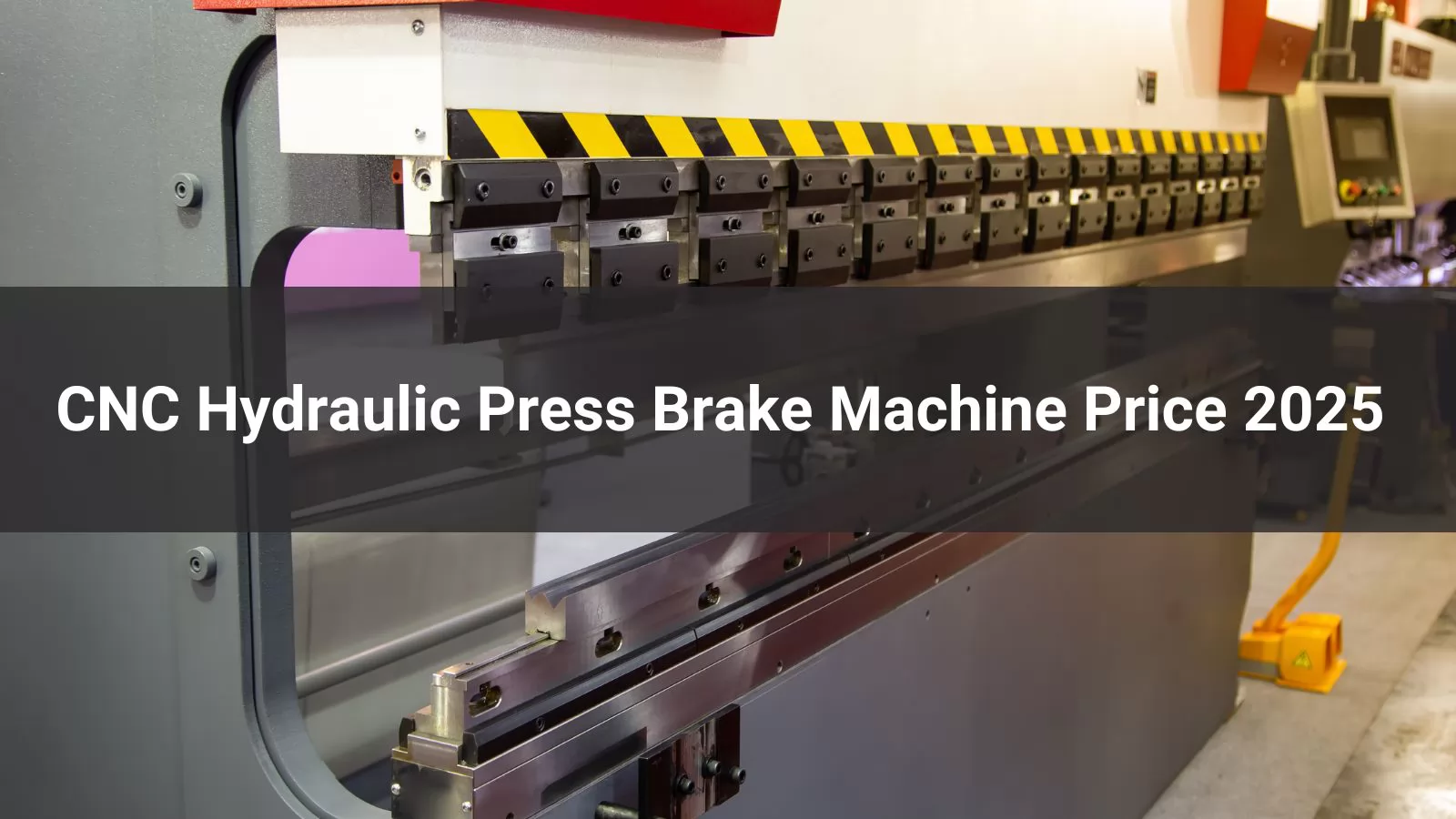
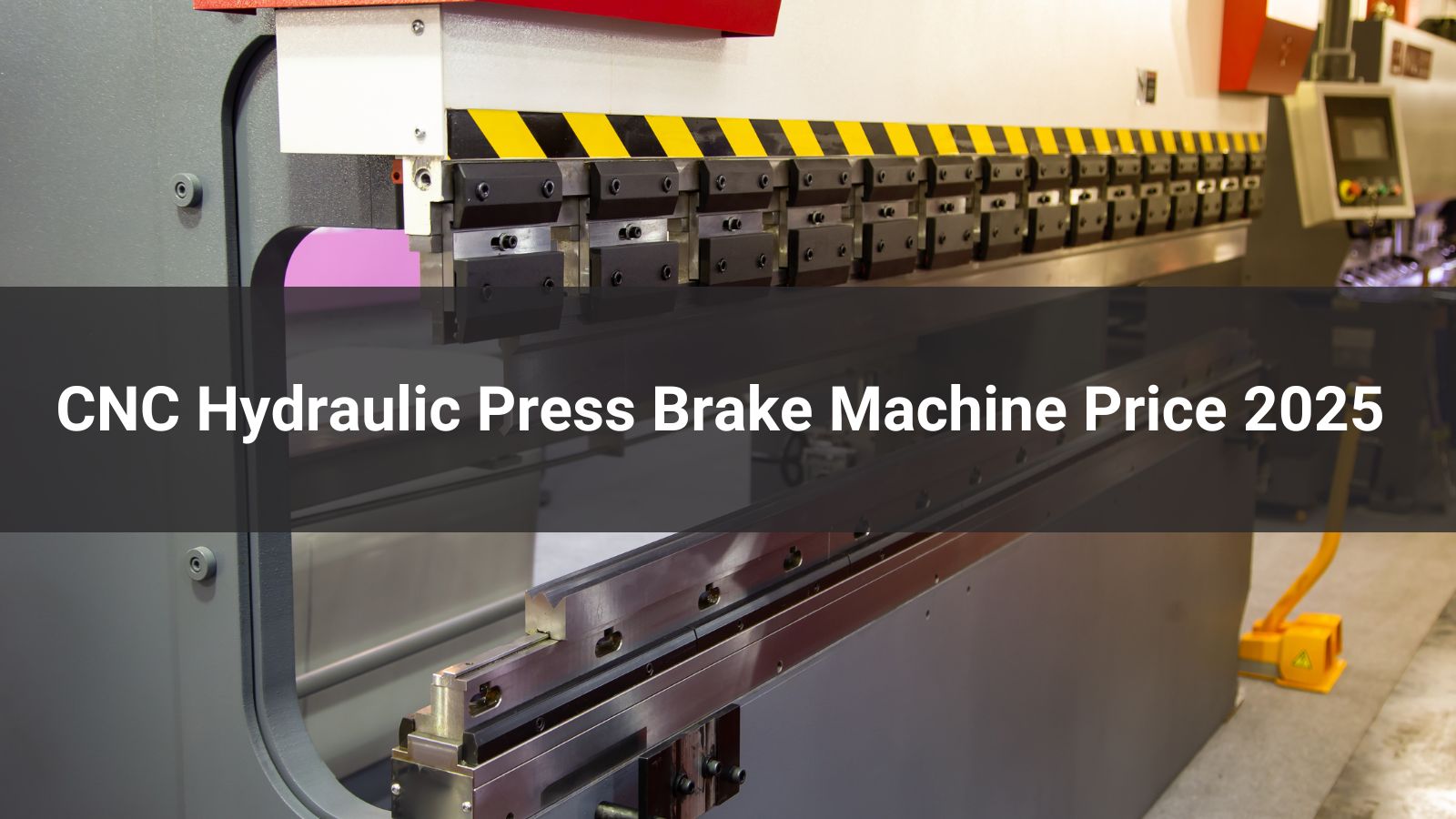
As a professional in the manufacturing and metalworking industry, I’ve seen firsthand how CNC hydraulic press brakes have transformed the way we shape and bend metal sheets with precision and efficiency. These machines are the backbone of modern fabrication, and as we move into 2026, understanding their price trends is critical for making informed investment decisions. In this article, I’ll share my insights on 2026 CNC hydraulic press brake machine price trends, drawing from my experience, historical data, current market conditions, and expert forecasts. Whether you’re planning to purchase a new machine or simply want to stay ahead of industry trends, I hope my perspective helps you navigate this dynamic market.
Before diving into price trends, let me explain what a CNC hydraulic press brake is and why it’s so essential. A CNC hydraulic press brake is a sophisticated machine that bends sheet metal with precision, using a hydraulic system powered by oil cylinders and controlled by a Computer Numerical Control (CNC) system. This combination allows me to program complex bending sequences, ensuring accurate and repeatable results. The machine clamps the metal between a punch (upper tool) and a die (lower tool), applying force to create bends at specific angles and shapes.
Over the years, I’ve noticed these machines evolve from single-axis models to ones with up to 12 axes, offering incredible control over the ram’s depth, tilt, backgauge positioning, and pressure tonnage. Features like automatic tooling adjustments, programmable crowning, and real-time angle correction make them versatile for bending materials like steel, aluminum, and copper. For example, the Speed-Bend series I’ve worked with delivers impressive performance, streamlining complex bending tasks and reducing per-part costs.
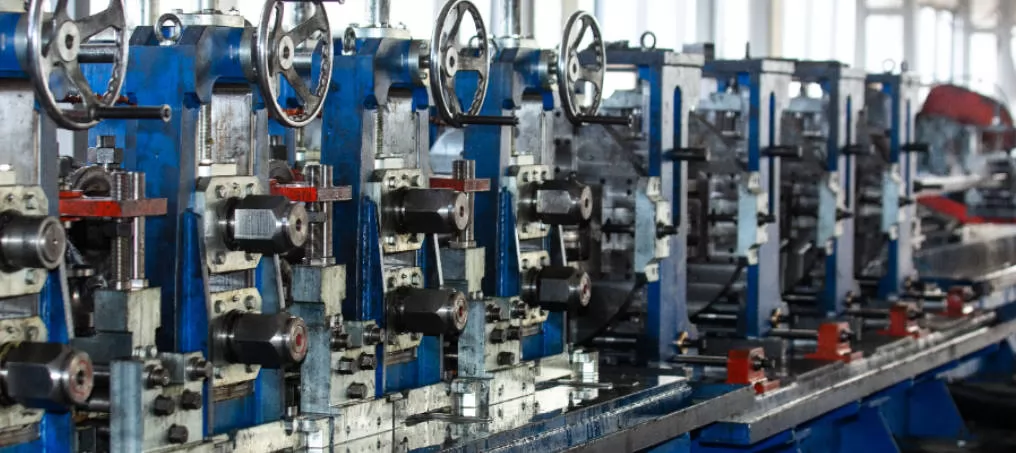
From my experience operating these machines, the process is both straightforward and highly precise. Here’s how it works:
Programming the CNC System: I start by inputting the bending specifications into the CNC system using software like DELEM DA53T or ESA 675. This includes details like material thickness, bend angles, and sequence. The system translates these into machine-readable code.
Tool Setup: I select the appropriate punch and die based on the desired bend shape. These tools are mounted on the ram (moving part) and bed (fixed part). Some machines allow automatic tool changes, which saves me significant setup time.
Material Positioning: The metal sheet is placed on the bed, and the backgauge—a multi-axis positioning device—ensures precise alignment. I can adjust its position along the X (forward/backward), R (up/down), and Z (left/right) axes.
Bending Process: The hydraulic system applies force to the ram, pressing the metal into the die to form the bend. The CNC system controls the ram’s speed, pressure, and tilt for accuracy. Features like crowning compensate for frame deflection, ensuring uniform bends.
Quality Control: Advanced machines automatically retract incorrectly shaped parts and can incorporate relief cuts to prevent deformation. This ensures high-quality output with minimal waste.
The automation and precision of CNC hydraulic press brakes have made my work more efficient, reducing labor intensity and boosting productivity in high-demand environments.
As I’ve navigated the market for CNC hydraulic press brakes, I’ve learned that prices are influenced by several factors, including machine size, automation level, brand reputation, and regional variations. Based on my research and industry insights, here’s what I’ve found about price trends for 2026:
The global CNC hydraulic press brake market is booming, valued at approximately $2.5 billion in 2026 with a projected Compound Annual Growth Rate (CAGR) of 6% from 2026 to 2033. This growth is driven by increasing automation in industries like automotive, aerospace, and construction, where precision metal forming is critical. The broader press brake market is expected to reach $995.3 million by 2032, with a CAGR of 5.9%, reflecting the rising demand for advanced machinery.
From my experience and recent market data, CNC hydraulic press brake prices in 2026 vary based on tonnage and features:
In my experience, several factors drive these price variations:
I’ve noticed that prices vary significantly by region due to manufacturing standards, labor costs, and regulations:
Beyond the purchase price, I’ve learned to account for ongoing costs:
From my perspective, the benefits of CNC hydraulic press brakes justify their cost:
When selecting a machine, I follow these steps to ensure it meets my needs:
Assess Production Needs: I consider the material types (e.g., steel, aluminum), thickness, and bend complexity. For thicker materials, I opt for higher-tonnage machines.
Prioritize Accuracy: I look for machines with high repeatability and features like programmable crowning to ensure consistent results.
Evaluate Features: Multi-axis backgauges, 3D programming, and safety systems are must-haves for my operations.
Check Ease of Use and Maintenance: A user-friendly CNC interface and straightforward maintenance reduce downtime. I prefer machines with intuitive controllers like DELEM or ESA.
Consider Scalability: I choose machines that can be upgraded to support future growth, such as adding robotic arms or advanced software.
Research Brands: I trust manufacturers like Shinte, Accurl, and Amada for their quality and support. Reading customer reviews and requesting demos helps me verify reliability.
Looking at 2026, I expect CNC hydraulic press brake prices to rise slightly due to increasing demand for automation and smart manufacturing technologies. The market’s projected growth to $42.36 billion by 2031 reflects the industry’s shift toward Industry 4.0 and sustainable practices. While entry-level models remain accessible for small businesses, high-end machines with robotic integration and advanced CNC systems will command premium prices. However, I’ve found that the long-term savings from reduced labor, energy, and waste often outweigh the initial investment.
For smaller workshops, I recommend starting with a mid-range model (e.g., 160-300 tons) to balance cost and capability. For large-scale operations, investing in a high-end or hybrid machine can future-proof production. Regional price variations also play a role—Asia offers the most cost-effective options, but I always verify quality through supplier reviews and samples.
As someone deeply involved in metal fabrication, I see CNC hydraulic press brakes as game-changers for precision, efficiency, and versatility. Understanding 2026 price trends—driven by machine size, automation, brand, and regional factors—has helped me make strategic purchasing decisions. Whether you’re a small business owner or part of a large manufacturing facility, investing in the right CNC press brake can transform your operations. For reliable options, I recommend exploring trusted manufacturers like Shinte or Accurl to find machines that align with your budget and production goals. By staying informed and choosing wisely, you can leverage these machines to stay competitive in the ever-evolving manufacturing landscape.





Fastest
Installation

Top-Notch
Equipment

24/7 Customer
Support

100% Secured
Payment




.png)
.png)

.png)