Dedicated to providing custom ers with better
quality products and services!






Industrial slitter blades are the unsung heroes of modern manufacturing, serving as the core cutting tools for precision slitting of rolls, sheets, and web materials across packaging, metal processing, textile, and plastic film industries. However, production teams frequently battle significant pain points: uneven cutting edges, frequent blade wear, and excessive material waste. These issues inevitably lead to unplanned downtime for blade replacement and skyrocketing maintenance costs, severely impacting overall operational efficiency.
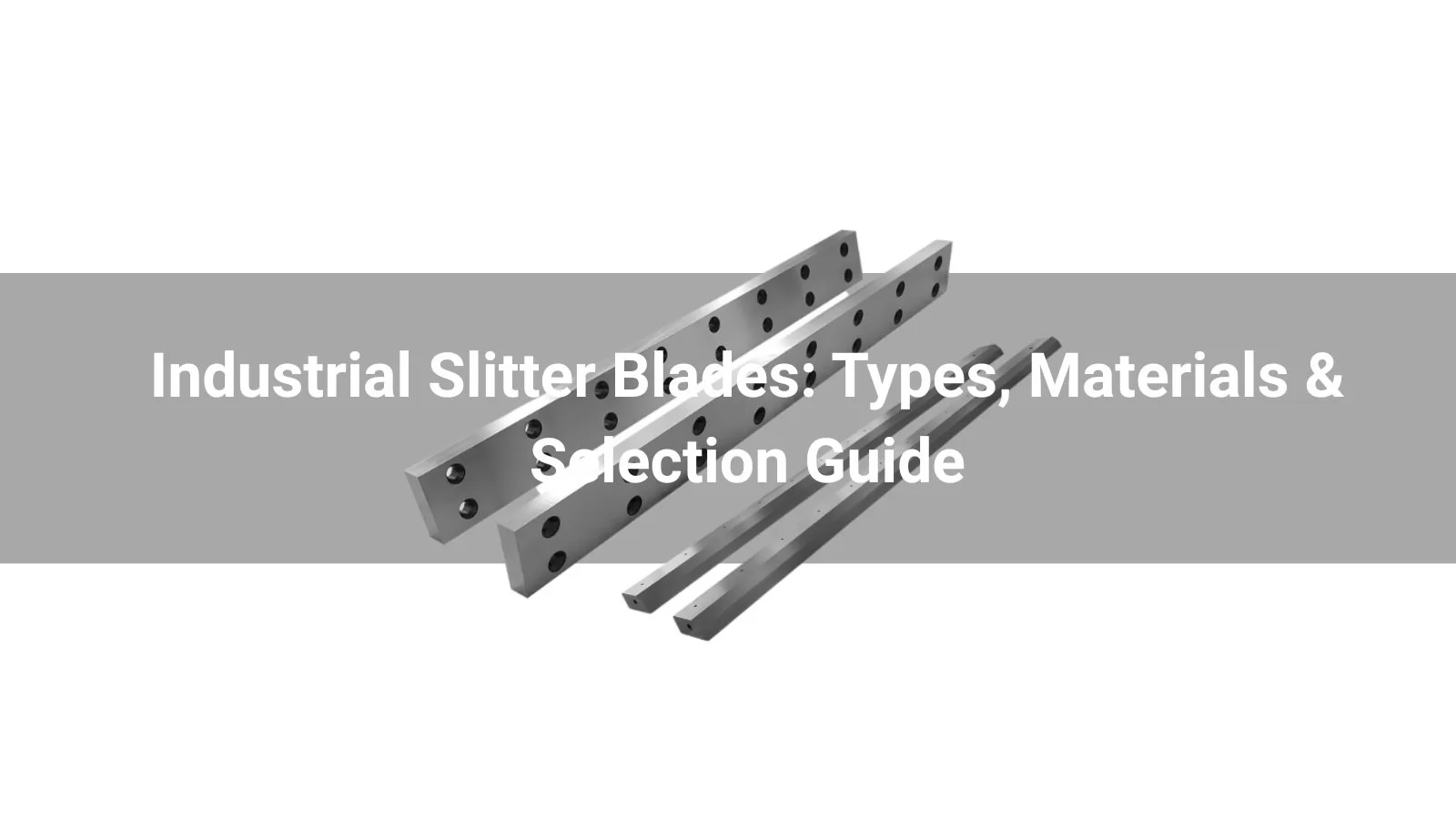
To address these challenges, this article is designed to empower plant managers, mechanical engineers, and procurement specialists with a deep understanding of slitter blade types, material properties, and selection criteria. By exploring the nuances of shear slitting blades and advanced tungsten carbide options, we aim to help you maximize cutting precision and extend blade service life. Ultimately, mastering industrial blade selection is the key to reducing operational costs and driving superior production efficiency in your facility.
Industrial slitter blades are high-precision rotary cutting tools installed on slitting machines, designed to slice wide raw materials into customized narrow rolls or sheets. Their working logic relies on mechanical extrusion, shearing, or crushing between high-speed rotating blades to complete the material slitting process. These tools are indispensable across a vast array of sectors, including metal processing, flexible packaging, paper and cardboard manufacturing, non-woven fabric production, and the emerging battery separator industry. To be considered qualified, these blades must meet rigorous Key Performance Indicators, specifically demonstrating superior edge sharpness, surface hardness, wear resistance, corrosion resistance, and impact toughness to ensure cutting flatness and dimensional stability.
The most industry-recognized classification for these tools is based on the slitting mechanism, with Shear Slitting Blades being a primary category. These systems utilize a matched pair of an upper circular blade and a lower anvil blade, operating on a scissors-like shearing principle. This configuration is celebrated for its strong bearing capacity and low burr rate, making it the ideal choice for heavy-duty industrial slitting of thick paper, aluminum foil, metal strips, and laminated materials where a smooth cutting edge is paramount.
For applications requiring minimal material extrusion, Razor (Score) Slitting Blades offer an ultra-thin, sharp edge perfect for thin films like PET, BOPP, and battery separators. Conversely, Crush Slitting Blades employ a hard alloy thick blade matched with a grooved pressure roller to cut via high-pressure crushing; this is essential for brittle materials, foams, and high-fiber non-woven fabrics where sharpness is less critical than pressure. Additionally, the industry utilizes other special-type blades, such as circular and straight slitter blades, as well as coated anti-stick variants specifically engineered to handle adhesive materials without residue buildup.
Selecting the correct material is the single most critical factor in solving blade selection confusion, as it directly dictates the balance between hardness, toughness, and service life. High-Speed Steel (HSS) remains a staple in the industry due to its excellent toughness and thermal stability. While it offers moderate hardness, its ability to resist impact damage makes it a cost-effective choice for cutting paper, non-woven fabrics, and soft aluminum foil. However, for long-term continuous production, HSS may lack the necessary wear resistance compared to harder alloys. Conversely, Tool Steels like D2, SK5, and CR-V offer a balanced performance with stable hardness and easy maintenance. These materials are the "workhorses" for conventional plastic films, rubber sheets, and daily packaging materials, providing a reliable middle ground between durability and affordability.
For operations demanding maximum longevity and cutting through abrasive substances, Tungsten Carbide is the superior choice. Boasting an ultra-high hardness of HRC 90+, carbide blades can last 8 to 10 times longer than standard steel blades, making them indispensable for high-frequency continuous production lines processing abrasive plastics, composite materials, and high-strength metal strips. The trade-off for this extreme wear resistance is brittleness; carbide is vulnerable to violent impact and requires careful handling to avoid chipping. This material represents a significant investment that pays off in reduced downtime for high-volume, heavy-duty applications where edge retention is non-negotiable.
In specialized environments, specific material properties such as corrosion resistance or extreme heat tolerance become the priority. Stainless Steel is the go-to solution for food processing, medical packaging, and humid working environments, ensuring rust resistance and food-grade safety. For even more demanding scenarios, advanced options like Ceramic blades provide non-magnetic and heat-resistant cutting capabilities, while coated blades featuring TiN or TiCN layers are essential for reducing friction and preventing material adhesion. These coatings significantly improve surface hardness and are ideal for sticky or high-temperature industrial processes where standard materials would fail.
Choosing the right industrial slitter blades requires a systematic approach, starting with a precise analysis of the raw material and machine capabilities. The primary factor is the material type: for soft, thin materials like film and paper, razor slitting blades made from High-Speed Steel (HSS) or stainless steel are ideal to ensure clean cuts without deformation. Conversely, thick and tough materials such as metal strips or cardboard demand the structural integrity of shear slitting blades, preferably constructed from Tungsten Carbide to withstand high pressure. If you are processing abrasive, filled materials, prioritizing carbide-coated blades is essential for longevity, while adhesive or sticky substances require anti-stick coated blades to prevent buildup. Furthermore, you must align your choice with the slitting machine's speed; high-speed operations benefit significantly from carbide blades to minimize replacement frequency, whereas low-speed, intermittent production can effectively utilize cost-effective tool steel blades.
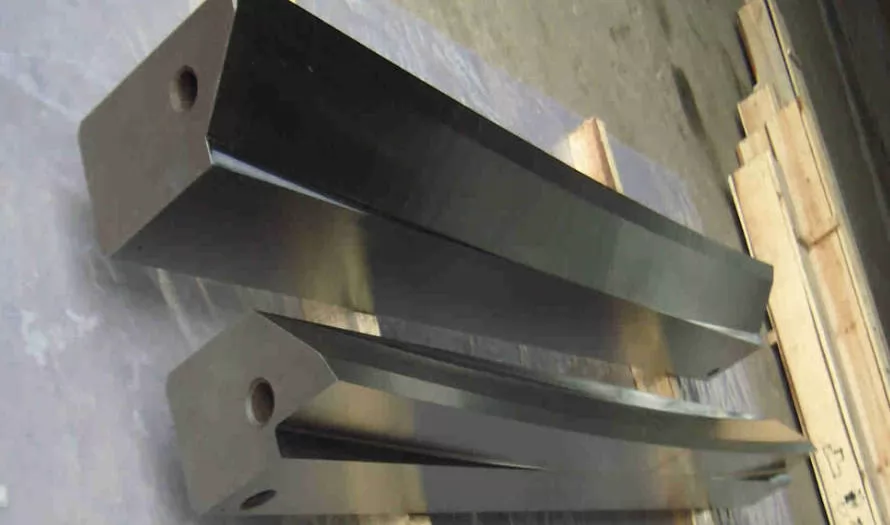
Once the material and machine type are established, the focus shifts to defining the critical physical parameters of the blade. Precision is non-negotiable, particularly in high-tech sectors like battery and electronics manufacturing, where a tolerance of ±0.01mm is often required to maintain product quality. You must carefully select the blade thickness and diameter to match your machine's installation specifications. Equally important is the edge angle, which dictates cutting performance: a sharper angle of 25°-35° is recommended for thin films to reduce cutting resistance, while a robust angle of 40°-60° is necessary for thick, hard materials to prevent chipping and ensure edge strength. Ignoring these geometric nuances can lead to poor cut quality and accelerated wear.
Finally, a strategic selection process weighs the budget against the maintenance cycle and environmental constraints. For short production runs, investing in low-cost carbon steel or HSS blades is a financially sound decision. However, for long-term mass production, opting for higher-priced Tungsten Carbide blades is the smarter economic choice, as their extended service life drastically reduces long-term maintenance costs and downtime. Environmental factors also play a pivotal role; operations in humid or corrosive settings should utilize stainless steel to prevent rust, while the food and medical industries must strictly adhere to safety standards by employing food-grade polished blades. By synthesizing these factors—material, parameters, and operational context—you can maximize both efficiency and safety.
Avoiding common pitfalls in blade selection is essential for maintaining production efficiency and product quality. A frequent error is blindly pursuing the lowest price; while this may reduce upfront costs, it often ignores blade durability, leading to rapid wear and significantly higher replacement costs over time. Equally detrimental is mis-matching the blade type to the application, such as using heavy-duty shear blades for thin films, which inevitably causes material deformation and poor edge quality. Operators also frequently ignore the necessity of blade coatings; processing sticky materials without an anti-stick coating results in frustrating edge residue and frequent machine stoppages for cleaning. Finally, neglecting daily sharpening and maintenance is a critical oversight, as dull blades not only compromise cutting precision by creating burrs but also generate excessive material waste, negating any initial savings.
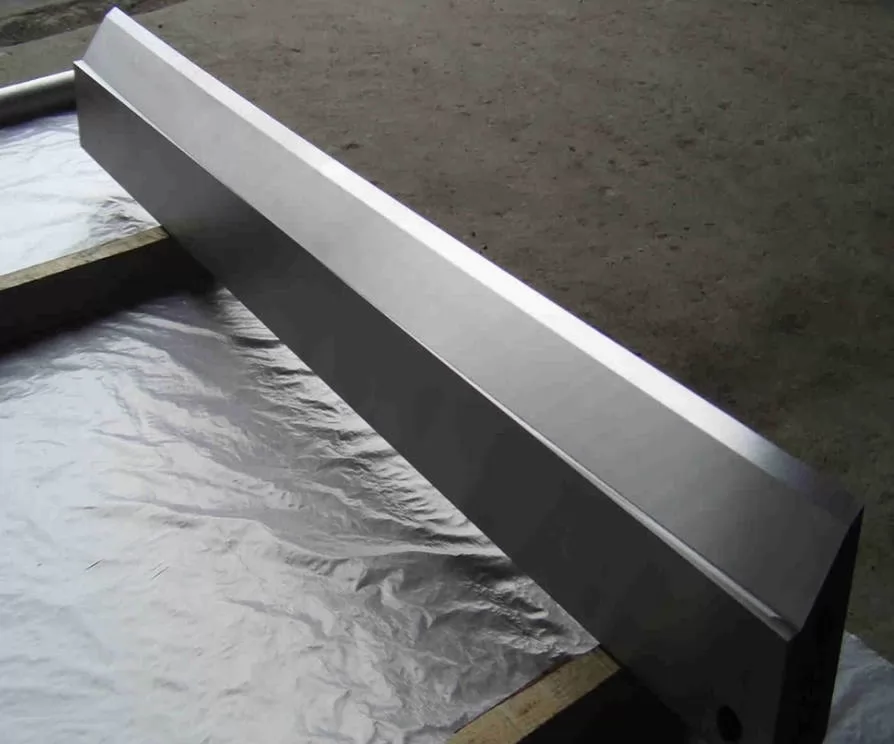
To maximize the return on your investment and ensure consistent cutting quality, implementing a rigorous maintenance routine is non-negotiable. Regular cleaning is the first line of defense; you must remove all material residue and adhesives immediately after use to prevent edge corrosion and buildup that affects performance. Depending on your production intensity, schedule professional sharpening every 2 to 4 weeks to maintain the blade's geometry and sharpness, rather than waiting for total failure. Storage conditions are equally critical: always store blades in a dry environment, ideally coated with a thin layer of防锈 oil, to prevent rust on carbon steel and tool steel variants. Finally, never overlook installation inspection; regularly checking blade concentricity and alignment is essential to avoid eccentric wear, which can drastically shorten the lifespan of even the highest-quality blades. You can refer to professional guidelines on how to extend the life of the slitting blade for daily management.
Selecting the optimal industrial slitter blade is a strategic decision that directly impacts your production efficiency and bottom line. As we have explored, the ideal choice relies on a precise alignment of the slitting mechanism with your specific raw materials and production intensity. A reasonable selection effectively balances cutting quality, service life, and operational costs, moving beyond a "one-size-fits-all" approach to one that is customized for your unique industry scenario. For manufacturers seeking reliability and precision, Shinite stands out as a renowned shear blade and industrial slitter blades manufacturer in China, offering the expertise and quality needed to elevate your cutting operations. The company holds complete certificates and adopts standardized production process to guarantee product performance.
Tungsten carbide is the top choice for wear resistance.
Ultra-thin razor blades with HSS or coated stainless steel.
1-3 months for ordinary steel; 6-12 months for carbide blades.
Yes, customized size, edge angle and coating for special production needs.





Fastest
Installation

Top-Notch
Equipment

24/7 Customer
Support

100% Secured
Payment




.png)
.png)

.png)